



Smarter diagnosis & treatment. Better decisions. Less friction.
The Problem in Everyday Eye Care
Every day, patients present with burning, itching, or fluctuating vision. Too often, these symptoms are minimized, misattributed, or inconsistently assessed. Behind many of them is Dry Eye Disease (DED), affecting nearly half of eye care patients, yet fewer than 8% receive a clear, structured diagnosis.
The reason isn’t a lack of concern.
It’s the workflow.
Dry eye assessment is slow, fragmented, and heavily dependent on manual interpretation across multiple devices. In a busy clinic, consistency and efficiency suffer.
Introducing AI4Eyes’ platform: A Better Way to Manage Dry Eye
AI4Eyes offers an AI-powered platform designed to simplify and standardize dry eye care. By bringing essential diagnostic tests into a single workflow, AI4Eyes reduces a typical 40+ minute assessment into a faster, more consistent process, without sacrificing clinical rigor.
The platform enables:
- Real-time diagnostic insights with personalized treatment suggestions
- Direct patient engagement through a connected mobile app
- Seamless integration into clinics with a small physical footprint
- Disease-specific modules: dry eye disease, and eventually expanding to myopia management and corneal care
How It Works in the Clinic
- The device is installed in the pre-test room
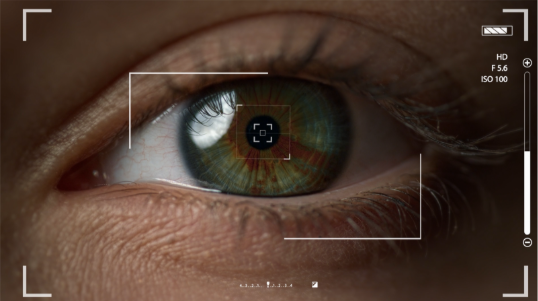
- A short scan captures 10 clinical-grade images and videos
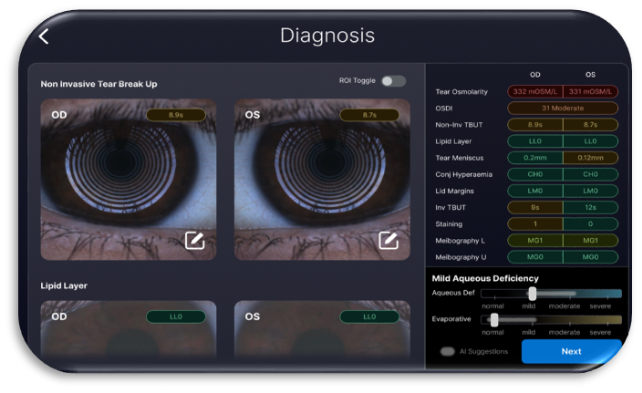
- AI analyzes the data and proposes a diagnosis and treatment plan
- Clinicians review, refine, and approve in seconds
- Patients receive results, education, and progress tracking through the app
Each scan contributes to continuous learning, improving system performance over time, while clinicians remain in full control.
What Sets AI4Eyes’s Platform Apart
AI4Eyes replaces a slow, device-heavy workflow with a single, intelligent assessment completed in minutes. Instead of juggling tools and subjective grading, clinicians receive a structured evaluation supported by 89%+ diagnostic accuracy and AI-driven insights that improve with use.
Indeed, a built-in clinician feedback loop ensures the system adapts to real-world practice, yearly updates based on this data allow to reinforce diagnostic confidence and treatment precision rather than replacing clinical judgment.
Designed to scale with your clinic, the platform receives over-the-air updates, and integrates easily into existing slit lamp setups. The result is higher efficiency, increased patient throughput, and a smoother patient experience, all in a compact, durable system.
Beyond Dry Eye Disease
OSDx is not limited to dry eye. It is a scalable AI platform built for the future of primary eye care. Its multimodal AI engine, clinician-guided training framework, and growing ocular surface dataset support expansion into additional clinical areas, including myopia management and corneal care.
Central to this vision is the Dr. App Store: a clinician-first ecosystem that allows practices to activate new care modules as easily as installing an app. No new hardware. No complex onboarding. Just immediate access to expanded clinical capabilities.
This modular, upgrade-on-demand approach transforms AI4Eyes from a single-use device into a long-term clinical platform that evolves alongside your practice.
A Connected Patient Journey
The platform supports care before, during, and after the visit; linking clinicians and patients through a unified experience.
Before the Visit: Patient App
Patients complete guided questionnaires and symptom assessments ahead of time, giving clinicians context before the exam and reducing chair time.
During the Visit: Dr. App
At the slit lamp, clinicians receive real-time AI analysis, diagnostic support, and a suggested treatment framework; enabling faster, more consistent decisions.
After the Visit: Patient App
Patients access personalized education, reminders, and self-tracking tools to support adherence and monitor progress over time.

The Outcome
A unified workflow for multi-disease management that shortens chair time, improves clinical consistency, deepens patient engagement, and powers data-driven care at scale.